Creatine is a well-researched supplement known for its role in enhancing athletic performance and supporting cognitive function. It works by increasing ATP production in your muscles, which can lead to improved strength and recovery. Many athletes consider it beneficial, but it’s also gaining attention for potential brain health advantages. Understanding how creatine functions and who can benefit from it might surprise you. Let’s explore its various uses and the science behind its effectiveness.
What Is Creatine and How Does It Work?
Creatine, a naturally occurring compound found in muscle cells, plays a crucial role in energy production during high-intensity exercise. When you engage in activities like sprinting or weightlifting, your body relies on adenosine triphosphate (ATP) for immediate energy.
Creatine helps regenerate ATP, allowing you to sustain intense effort for longer periods. It’s synthesized from amino acids in the liver, kidneys, and pancreas, and stored in muscles as phosphocreatine. This stored form can quickly convert back to ATP during exercise, enhancing your performance.
Additionally, creatine may influence cellular hydration and protein synthesis, contributing to muscle growth. Importantly, its benefits are particularly relevant for older adults, as it helps address age-related muscle loss and support overall vitality. Understanding its mechanisms can help you make informed decisions about supplementation and training strategies tailored to your fitness goals.
How Does Creatine Enhance Physical Performance?
By boosting your ATP production, creatine significantly enhances physical performance, especially during high-intensity activities. ATP, or adenosine triphosphate, is your body’s primary energy source for short bursts of effort, like sprinting or weightlifting.
When you supplement with creatine, it increases your muscles’ phosphocreatine stores, allowing for quicker ATP regeneration. This means you can perform more repetitions or sustain intensity for longer periods, leading to improved strength and explosive power.
Additionally, creatine may enhance recovery by reducing muscle cell damage and inflammation post-exercise.
Who Should Consider Creatine Supplementation?
Wondering if creatine supplementation is right for you? If you’re an athlete engaged in high-intensity sports or strength training, creatine can enhance your performance and recovery.
It’s especially beneficial if you’re looking to increase muscle mass or improve your explosive strength. Additionally, vegetarians or individuals with low dietary creatine intake may find supplementation useful, as they mightn’t get enough from their diet alone.
If you’re involved in endurance sports, the benefits may be less pronounced, but some may still experience improvements in performance.
Always consult a healthcare professional before starting any supplement, especially if you have underlying health conditions.
Considering your fitness goals and dietary habits can help determine if creatine is a suitable option for you.
Can Creatine Boost Your Brain Power?
Have you ever considered how creatine might impact your cognitive function? While it’s primarily known for muscle benefits, research suggests that creatine could also enhance brain power.
It plays a crucial role in energy production, particularly in high-demand situations, which can improve cognitive performance during tasks that require quick thinking or problem-solving. Some studies indicate that creatine supplementation may boost memory and mental clarity, especially in individuals with lower baseline levels of creatine.
Moreover, it could offer protective effects against neurodegenerative diseases by enhancing mitochondrial function and reducing oxidative stress.
However, it’s essential to approach these findings with caution, as more research is needed to fully understand the extent of creatine’s cognitive benefits.
How to Safely Use Creatine?
Creatine supplementation offers numerous benefits, but using it safely is just as important as understanding its advantages.
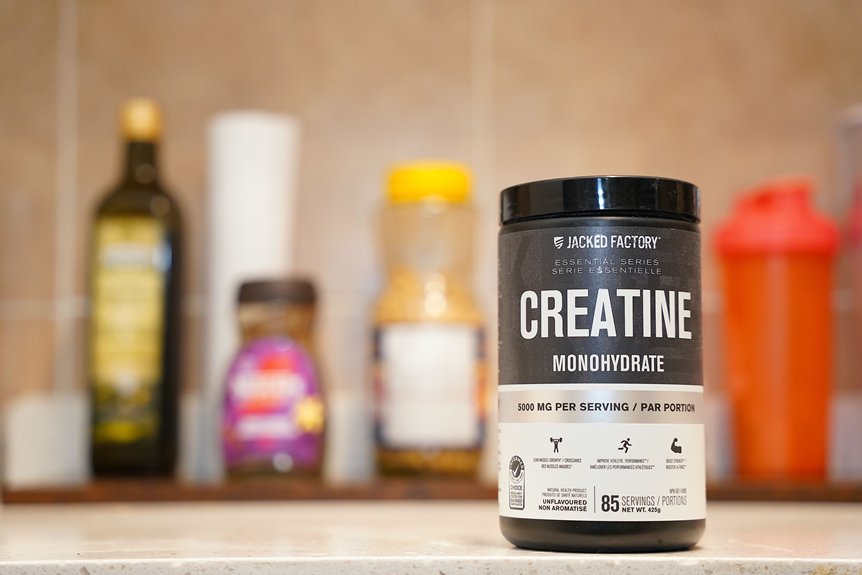
To start, choose a high-quality creatine monohydrate, as it’s the most researched form. Begin with a loading phase, taking about 20 grams daily for 5-7 days, then switch to a maintenance dose of 3-5 grams daily.
Stay well-hydrated, as creatine can lead to increased water retention in muscles. Monitor your body’s response and consult a healthcare professional if you experience any adverse effects, such as stomach discomfort or muscle cramps.
Additionally, avoid mixing creatine with high doses of caffeine, as this can reduce its effectiveness.
Finally, always follow the recommended guidelines to maximize benefits while minimizing risks.