Studies show that up to 30% of creatine users may experience bloating due to water retention in muscle cells. This common side effect can vary significantly based on individual factors like dosage and hydration. If you’re considering creatine, it’s important to understand why this happens and how you can manage it effectively. Let’s explore the nuances of creatine use and its potential impact on your body.
Does Creatine Cause Bloating?
When considering whether creatine causes bloating, it’s essential to understand how this popular supplement works in the body. Creatine enhances muscle energy production, allowing for improved performance during high-intensity workouts.
However, some users report experiencing bloating. This sensation may stem from creatine’s ability to draw water into muscle cells, increasing intracellular water retention. While this process can lead to a fuller appearance, it doesn’t necessarily indicate fat gain.
Research indicates that the degree of bloating varies among individuals, influenced by factors such as dosage, hydration levels, and dietary habits. It’s important to consider that creatine is specifically formulated to address age-related muscle loss, which may help mitigate some bloating effects in older adults.
It’s crucial to note that not everyone will experience bloating, and for many, the benefits of creatine far outweigh any temporary discomfort.
How to Minimize Bloating From Creatine
Many users seek ways to minimize bloating while using creatine. To start, consider adjusting your dosage. Instead of a high-loading phase, try a lower daily dose, which may reduce gastrointestinal discomfort.
Staying well-hydrated is crucial; drinking plenty of water can help your body manage the increased creatine levels. Timing also matters—taking creatine with meals can improve absorption and lessen bloating.
Additionally, choosing a micronized version of creatine may enhance solubility, making it easier for your body to process. Lastly, pay attention to your diet; reducing high-sodium foods and increasing fiber can further alleviate bloating.
The Science Behind Creatine and Water Retention
While creatine is renowned for its performance-enhancing benefits, it also plays a significant role in water retention within the body. When you supplement with creatine, your muscle cells absorb more water. This increase in intracellular water can lead to a rise in muscle volume, which is often perceived as bloating.
Research indicates that creatine draws water into your muscles through osmotic processes, enhancing hydration and potentially improving performance. However, this water retention can vary among individuals based on factors like dosage, hydration levels, and muscle mass.
Understanding how creatine affects water retention can help you manage any undesirable side effects, allowing you to experience its benefits without discomfort.
Who Is Most Likely to Experience Bloating?
Who’s most likely to experience bloating from creatine supplementation?
Generally, individuals who are new to creatine or those who take higher doses may notice bloating more than others. Your body might struggle to adapt to the sudden increase in creatine levels, leading to water retention.
If you have a sensitive stomach or digestive issues, you’re also at a higher risk. Additionally, people who consume creatine without adequate hydration may experience more bloating, as creatine draws water into your muscles.
Lastly, those who follow a high-carb diet could see increased bloating, as carbs can also lead to water retention. Understanding these factors can help you manage your supplementation more effectively.
Types of Creatine and Their Bloating Effects
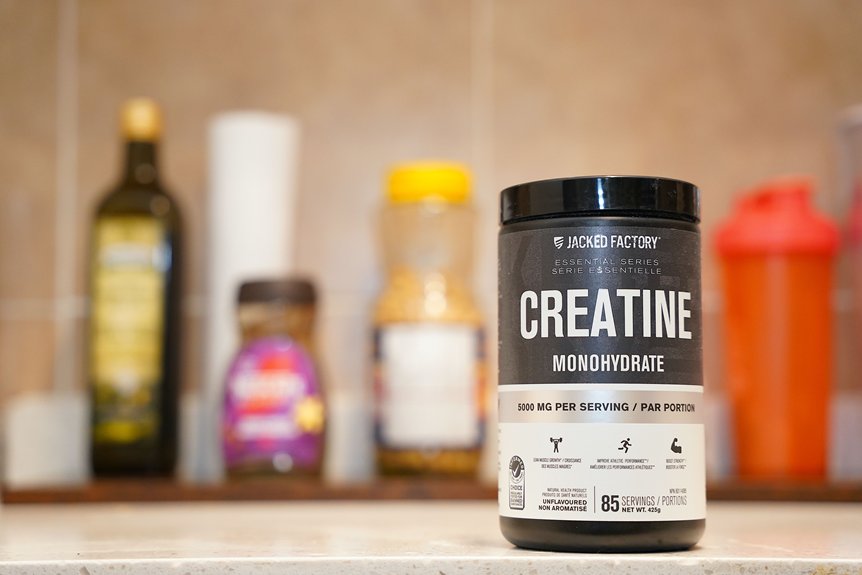
When choosing a type of creatine, it’s important to consider how each form may affect bloating. Creatine monohydrate is the most researched and commonly used type; while it can cause mild bloating for some, it’s generally well-tolerated.
Creatine ethyl ester claims to reduce water retention, but research on its effectiveness is limited. Buffered creatine, like Kre-Alkalyn, aims to minimize side effects, including bloating, but evidence is mixed.
Liquid creatine is convenient but might lead to more stomach discomfort. Ultimately, individual responses vary, so it’s wise to experiment with different forms and monitor your body’s reactions.
Always consult with a healthcare professional before starting any supplementation to address concerns about bloating and overall health.
Does Timing Your Creatine Intake Matter?
Understanding the timing of your creatine intake can significantly influence its effectiveness. Research suggests that taking creatine shortly before or after your workout can maximize its benefits.
When you consume creatine post-workout, it may enhance muscle recovery and replenish depleted energy stores more effectively. On the other hand, pre-workout intake can improve performance, providing an immediate energy boost.
Some studies indicate that splitting your daily dose into smaller servings throughout the day may also be beneficial. This approach can help maintain elevated creatine levels in your muscles.
Ultimately, consistency is key; regular intake, regardless of timing, is crucial for achieving optimal results. Pay attention to your body and adjust your timing based on personal preferences and workout schedules.
Alternatives to Creatine for Performance
If you’re seeking alternatives to creatine for enhancing athletic performance, several options may suit your needs.
Beta-alanine is a popular choice, known for improving endurance by buffering acid in muscles during high-intensity exercise.
Branched-chain amino acids (BCAAs) can aid in reducing muscle soreness and fatigue, making them beneficial for recovery.
Citrulline malate may also boost nitric oxide levels, enhancing blood flow and endurance.
Additionally, L-carnitine is linked to improved fat oxidation and energy production, which can support performance.
Finally, protein supplements, especially whey, can help with muscle repair and growth.
Each of these alternatives offers unique benefits, so choose one that aligns with your specific performance goals and training regimen.
Signs You Should See a Doctor About Creatine Side Effects
While many people tolerate creatine well, there are signs that may indicate a need to consult a doctor about potential side effects.
If you experience severe gastrointestinal discomfort, such as persistent nausea, diarrhea, or abdominal pain, it’s essential to seek medical advice.
Additionally, if you notice sudden weight gain that isn’t linked to increased muscle mass, or if you develop swelling in your limbs, these could be warning signs.
Monitor your hydration levels; excessive thirst or urination may also warrant a discussion with your healthcare provider.
Lastly, if you have pre-existing kidney issues or notice changes in urination, consult a doctor promptly.
Taking these symptoms seriously can help ensure your health remains a priority while using creatine.
What to Expect When Taking Creatine
When you start taking creatine, you can expect a range of effects on your body, both positive and negative. Most users report increased muscle mass and improved exercise performance, particularly in high-intensity activities.
You’ll likely notice enhanced strength and quicker recovery times after workouts. However, some people experience side effects, including water retention, which can lead to a feeling of bloating.
It’s essential to stay well-hydrated, as creatine pulls water into your muscles. You might also encounter gastrointestinal issues like cramping or diarrhea, especially if you take too much at once.
Monitoring your body’s response and adjusting your dosage can help minimize these effects while maximizing the benefits. Always consult a healthcare professional before starting any supplement.
Can Creatine Affect Your Long-Term Health?
Although many people use creatine to enhance their workout performance, its effects on long-term health are still a subject of ongoing research. Current studies suggest that creatine is generally safe for healthy individuals when taken as directed.
Some research indicates potential benefits, such as improved muscle mass and enhanced brain function. However, concerns exist regarding kidney health, particularly for those with pre-existing conditions.
It’s essential to maintain proper hydration while using creatine to minimize any risks. Regular monitoring and consulting with healthcare professionals can help ensure its safe use.
As with any supplement, balancing your diet and exercise regimen is crucial for optimal health. Always keep informed with the latest research to make the best choices for your long-term well-being.