In the world of fitness supplementation, choosing the right creatine can feel like navigating a labyrinth. Creatine comes in various forms, each with distinct benefits and drawbacks. While creatine monohydrate is the gold standard for many, alternatives like gummies or liquid creatine are gaining traction. Understanding how these options stack up against each other is crucial for optimizing your performance. So, which form aligns best with your fitness goals and lifestyle?
Why Choose Creatine for Enhanced Athletic Performance?
When you’re aiming to boost your athletic performance, choosing creatine can be a game-changer. This supplement’s ability to increase energy availability during high-intensity exercise makes it a popular choice among athletes.
By enhancing your phosphocreatine stores, creatine allows for quicker ATP production, which fuels your muscles during strenuous activities.
Research supports its effectiveness, showing improvements in strength, power, and muscle mass. Additionally, creatine can aid in recovery, reducing muscle soreness and enhancing overall training volume.
With various forms available, including powders and gummies, you can easily incorporate it into your routine. Ultimately, adding creatine to your regimen could provide that extra edge, helping you reach your performance goals with greater efficiency and effectiveness. Furthermore, it is particularly beneficial for older adults, as it helps combat age-related muscle loss and supports overall vitality.
What Is Creatine and How Does It Work?
Creatine is a naturally occurring compound found in small amounts in certain foods and synthesized in the body from amino acids. It primarily resides in your muscles, where it plays a crucial role in energy production.
When you engage in high-intensity activities, your body uses adenosine triphosphate (ATP) for quick bursts of energy. Creatine helps regenerate ATP, allowing you to sustain effort during intense workouts. This process enhances performance, promotes muscle growth, and aids recovery.
You can find creatine in various forms, including powders and gummies, each offering unique benefits. Understanding how creatine functions in your body can help you make informed choices about supplementation and optimize your athletic performance.
How to Use Creatine: Timing and Dosage
To maximize the benefits of creatine supplementation, understanding the optimal timing and dosage is essential. Most studies suggest a daily dosage of 3 to 5 grams, which can be taken consistently for best results.
It’s often recommended to load creatine by taking 20 grams daily for the first week, divided into 4 doses, followed by a maintenance phase.
Timing can also play a role; consuming creatine post-workout, along with carbohydrates and protein, may enhance absorption. However, pre-workout timing is effective too.
Stay hydrated, as creatine may pull water into your muscles. Ultimately, consistency in your regimen will yield the best outcomes, helping you achieve your fitness goals more effectively.
What Are the Benefits of Different Creatine Forms?
How do different forms of creatine stack up against each other? Each type offers unique advantages.
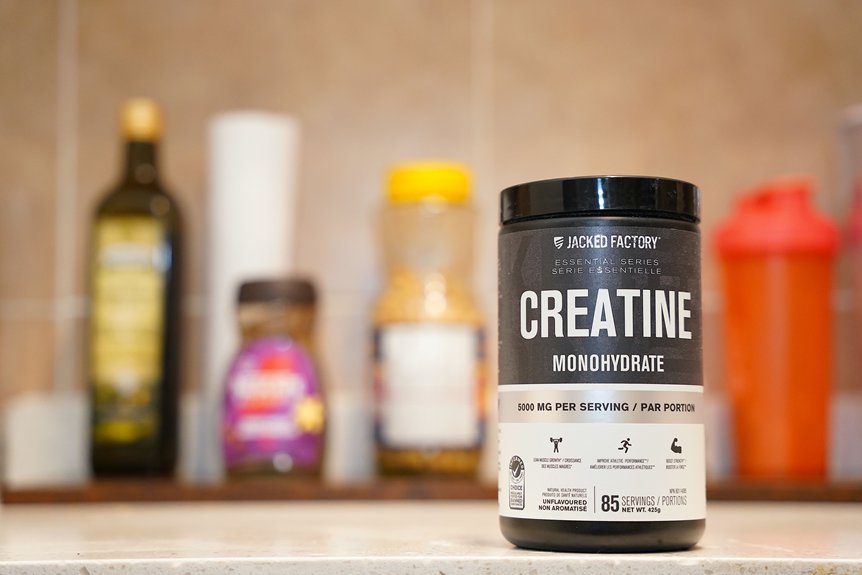
Creatine monohydrate, the most studied form, is known for its effectiveness in enhancing muscle strength and size. It’s cost-effective and widely available, making it a popular choice among athletes.
Creatine hydrochloride, on the other hand, is more soluble and may reduce bloating, appealing to those sensitive to gastrointestinal issues.
Gummies provide a convenient, tasty option, but often contain lower doses and additional sugars.
Finally, liquid creatine can offer faster absorption, but it tends to be pricier.
Ultimately, the best form depends on your personal preferences, dietary needs, and fitness goals. Understanding these differences can help you make an informed choice.
Evaluating the Convenience of Creatine Gummies: Pros and Cons
When considering convenience, are creatine gummies the right choice for you? Gummies offer a portable and tasty alternative to traditional creatine powders. You can easily toss them in your gym bag or desk drawer, making them accessible whenever you need a boost.
Plus, their palatable flavor can make supplementation feel less like a chore.
However, there are downsides. Gummies often contain added sugars, which mightn’t align with your dietary goals.
Additionally, the dosage per gummy can vary, leading to potential inconsistencies in your supplementation routine. If you’re aiming for precise dosing, powders or capsules may serve you better.
Weighing these pros and cons will help you determine if creatine gummies fit your lifestyle and supplement needs.
What’s Great and Not So Great About Creatine Capsules?
While creatine capsules may not have the same immediate appeal as gummies or powders, they offer unique benefits that can enhance your supplementation routine. One significant advantage is convenience; capsules are easy to transport and require no mixing. They also ensure accurate dosing, eliminating the risk of measuring errors common with powders.
However, there are downsides. Capsules can take longer to digest and may not deliver creatine as quickly into your system compared to powders. Additionally, some people find swallowing multiple capsules cumbersome, especially if they need to take higher doses.
Ultimately, while creatine capsules are a practical choice for many, it’s essential to weigh these pros and cons based on your personal preferences and goals.
Is Liquid Creatine a Good Option?
Is liquid creatine a viable choice for your supplementation needs? While it offers convenience, liquid creatine may not be the most effective option available.
Research suggests that creatine stability can diminish in liquid form, leading to reduced potency. Additionally, liquid products often contain additives or sugars, which can impact your overall health and performance goals.
On the other hand, the absorption rate of liquid creatine might appeal to some users, providing a quicker uptake than powders. However, this benefit is generally minor compared to the effectiveness of creatine monohydrate powders.
Ultimately, if you prioritize convenience, liquid creatine could work for you, but for optimal results, you might want to consider traditional powdered forms instead.
What to Look for in a Quality Creatine Supplement
Choosing a quality creatine supplement involves considering several key factors to ensure you’re getting the most effective product.
First, look for creatine monohydrate, as it’s the most researched and proven form. Check for purity—aim for products with minimal additives and fillers.
The dosage is also important; effective doses typically range from 3 to 5 grams per serving.
Additionally, consider the manufacturing process; reputable brands should follow Good Manufacturing Practices (GMP) for safety and quality.
Lastly, read reviews and verify third-party testing, which can confirm the product’s efficacy and safety.
Final Thoughts: Choosing the Right Creatine for You
How do you determine which creatine supplement fits your individual needs? Start by considering your fitness goals. Are you looking to increase muscle mass, enhance performance, or improve recovery?
Different forms of creatine, like powder or gummies, offer varied benefits. Creatine monohydrate is often the most researched and effective choice for muscle gain. If convenience is key, gummies might suit you better, though they may contain added sugars.
Always check for quality; look for third-party testing to ensure purity. Additionally, assess your dietary preferences and any sensitivities.
Ultimately, the right creatine for you will align with your lifestyle, goals, and personal taste. Experimenting with different forms can help you find the best fit for your regimen.