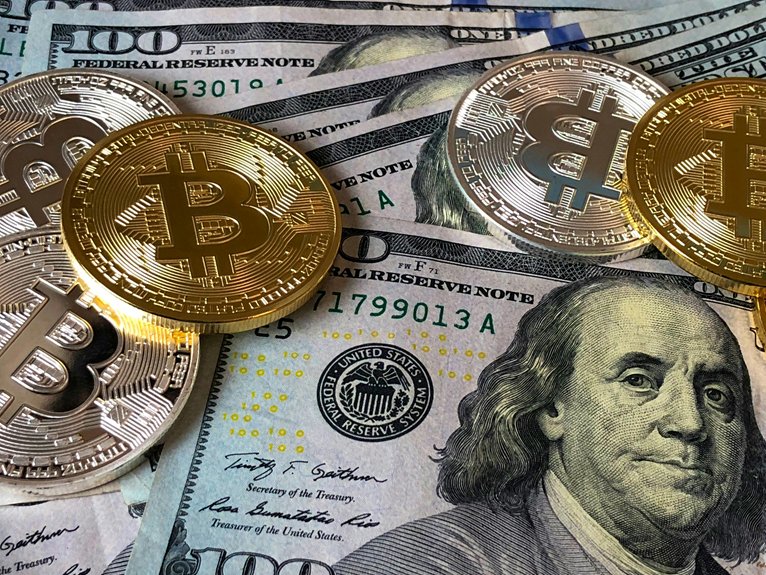
You might be wondering if Bitcoin is a scam, especially with its ties to illicit activities and the scams that plague the crypto space. However, it’s essential to look beyond the headlines. Bitcoin operates on a secure, decentralized blockchain, but it’s not without risks. Understanding these nuances can help you navigate the complex world of cryptocurrency. So, what are the real concerns surrounding Bitcoin, and how can you protect yourself?
Understanding Bitcoin: What It Is and How It Works
Bitcoin is a digital currency that operates on a decentralized network, allowing you to make transactions without the need for a central authority.
It uses blockchain technology, which is a public ledger that records all transactions securely and transparently. Each transaction gets verified by network participants, known as miners, who solve complex mathematical problems to add new blocks to the blockchain.
You can buy, sell, or trade Bitcoin through various online platforms, known as exchanges.
It’s important to note that Bitcoin’s value can be highly volatile, influenced by market demand, regulatory news, and investor sentiment.
Understanding how Bitcoin functions can help you navigate the cryptocurrency landscape effectively and recognize potential risks or benefits involved in its use.
The History of Bitcoin: From Creation to Mainstream
Since its creation in 2009 by an anonymous person or group using the pseudonym Satoshi Nakamoto, Bitcoin has evolved from a niche digital currency into a significant financial asset.
You’ve witnessed its journey, marked by milestones that sparked both excitement and skepticism:
- The first Bitcoin transaction for real-world goods in 2010
- The rise of exchanges, allowing easier access and trading
- Mainstream adoption by businesses and online platforms
- The dramatic price surges capturing public attention
- Regulatory scrutiny shaping the landscape of cryptocurrency
As Bitcoin gained traction, it fueled debates about its legitimacy, potential, and future.
This evolution reflects not only technological innovation but also a shift in how we perceive value in a digital economy.
Common Misconceptions About Bitcoin
While many view Bitcoin as a purely speculative asset, it’s essential to recognize that several misconceptions surround its nature and functionality.
One common belief is that Bitcoin is entirely anonymous; in reality, transactions are recorded on a public ledger, making them traceable.
Another misconception is that Bitcoin is only used for illegal activities, but it’s increasingly accepted by legitimate businesses worldwide.
Some think Bitcoin is a bubble destined to burst, yet its technology, blockchain, has proven valuable beyond just currency.
Finally, many believe that Bitcoin is complicated and inaccessible, but various user-friendly platforms make it easy for anyone to buy, sell, and hold Bitcoin.
Understanding these misconceptions can help you make more informed decisions about Bitcoin.
Volatility: The Roller Coaster of Bitcoin Prices
As investors plunge into the world of cryptocurrencies, they quickly notice the volatility that characterizes Bitcoin’s price movements. This roller coaster can evoke a mix of excitement and anxiety. Understanding this volatility is vital for anyone considering an investment.
You might experience:
- Heart-pounding highs when prices skyrocket.
- Gut-wrenching lows during sudden crashes.
- Uncertainty as market trends shift unexpectedly.
- The thrill of potential profits, but also fear of losses.
- A sense of urgency prompting impulsive decisions.
While Bitcoin’s price swings can create opportunities, they also pose significant risks. It’s important to stay informed and approach your investments with a steady mindset, recognizing that volatility is part of the cryptocurrency landscape.
Security Risks: Hacking and Fraud in the Cryptocurrency Space
The excitement of Bitcoin’s price movements can quickly be overshadowed by security risks lurking in the cryptocurrency space. Hacking incidents and fraudulent schemes have become increasingly common, targeting exchanges, wallets, and individual investors.
You might find that cybercriminals exploit vulnerabilities in software or use phishing tactics to steal your funds. It’s crucial to use strong passwords, enable two-factor authentication, and regularly update your security measures.
Remember, once your Bitcoin is gone, it’s nearly impossible to recover. Additionally, scams like Ponzi schemes and fake investment opportunities can lure you in with promises of high returns.
Staying informed and cautious can help you navigate these risks and protect your investments in this volatile environment.
Regulatory Challenges: How Governments View Bitcoin
Governments around the world are grappling with how to regulate Bitcoin, often facing challenges in balancing innovation with consumer protection.
You might feel concerned about the implications of these regulatory efforts, as they can affect your investments and the future of digital currencies.
Here are some key issues at play:
- Uncertainty in legal status can create confusion for users.
- Stricter regulations may stifle innovation and growth.
- Concerns about security and fraud could lead to increased oversight.
- Different countries have varying approaches, complicating global transactions.
- Public trust in cryptocurrencies is at stake amid regulatory scrutiny.
As governments navigate these complexities, your understanding of their stance on Bitcoin can empower you to make informed decisions.
The Role of Scams and Ponzi Schemes in Cryptocurrency
Regulatory efforts around Bitcoin highlight the darker side of the cryptocurrency landscape, particularly scams and Ponzi schemes that exploit unsuspecting investors.
These fraudulent operations often promise high returns with little risk, luring you in with enticing marketing tactics. Once you’re invested, the scam collapses, leaving you with significant losses.
It’s essential to recognize that while Bitcoin itself isn’t a scam, the lack of regulation in the cryptocurrency space makes it a fertile ground for deceitful schemes.
Always conduct thorough research and be skeptical of offers that seem too good to be true. Staying informed and cautious can help you navigate the cryptocurrency market safely, shielding you from potential scams and protecting your investments.
Bitcoin vs. Traditional Investments: A Comparative Analysis
While many investors are drawn to Bitcoin for its potential high returns, comparing it to traditional investments reveals significant differences in risk and reward dynamics.
Here are some key points to reflect on:
- Volatility: Bitcoin’s price swings can be drastic, unlike more stable stocks or bonds.
- Regulation: Traditional investments are often regulated, providing a layer of security that Bitcoin lacks.
- Liquidity: You can easily buy or sell stocks, while Bitcoin transactions can take longer and be subject to network congestion.
- Historical Performance: Stocks have decades of historical data, offering insights that Bitcoin can’t yet provide.
- Market Hours: Traditional markets operate within set hours, whereas Bitcoin trades 24/7, which can be both an advantage and a risk.
Understanding these differences can help frame your investment strategy.
The Future of Bitcoin: Trends and Predictions
As you look ahead, the future of Bitcoin is shaped by various trends and predictions that could influence its trajectory in the coming years.
Increased institutional adoption is likely to improve Bitcoin’s legitimacy and stability, while regulatory developments may either bolster or hinder its growth.
Technological advancements, such as improvements in blockchain scalability and security, could enhance Bitcoin’s usability, making it more appealing to everyday users.
Additionally, the rise of decentralized finance (DeFi) may create new use cases for Bitcoin, further expanding its role in the financial ecosystem.
Market sentiment will continue to play a vital role, driven by public perception and macroeconomic factors.
Making Informed Decisions: Tips for Potential Investors
Before diving into Bitcoin investing, it’s crucial to equip yourself with the right knowledge and strategies. Understanding the risks and rewards can make a significant difference in your investment journey.
Here are some tips to guide you:
- Research extensively before making any investment.
- Only invest what you can afford to lose.
- Stay updated on market trends and news.
- Consider diversifying your portfolio to minimize risk.
- Seek advice from financial experts or seasoned investors.