Just as athletes have relied on ancient practices for strength, today’s fitness enthusiasts are turning to creatine for its performance benefits. Understanding how to effectively incorporate creatine into your routine is crucial for maximizing its effects. Whether you prefer powder or ready-to-drink options, knowing the right dosage and timing can make a significant difference. Let’s explore the nuances of creatine use and uncover how to best tailor it to your fitness journey.
Understanding Creatine: What It Is and How It Works
Creatine is a naturally occurring compound found in small amounts in certain foods and synthesized by the body, primarily in the liver, kidneys, and pancreas. It plays a crucial role in energy production, particularly during high-intensity exercise.
When you engage in activities like sprinting or weightlifting, your muscles rely on adenosine triphosphate (ATP) for quick bursts of energy. Creatine helps replenish ATP levels, allowing you to perform at your best for longer periods.
Supplementing with creatine increases your muscle stores, enhancing physical performance and promoting muscle growth. Research indicates that creatine is especially beneficial for older adults experiencing muscle loss as they age.
It’s important to understand that creatine isn’t a magic solution; it works best when combined with a proper diet and exercise regimen. By grasping how creatine functions, you can make informed decisions about its use.
Different Types of Creatine: Which One Should You Choose?
When selecting a creatine supplement, you might wonder which type is best for your needs.
Creatine monohydrate is the most researched and widely used form, known for its effectiveness and affordability.
If you’re looking for quicker absorption, consider creatine hydrochloride (HCl), which may reduce bloating.
Creatine ethyl ester is another option, claiming better absorption, though research is limited.
For those concerned about gastrointestinal issues, buffered creatine can be gentler on your stomach.
Micronized creatine is also popular, as it’s processed to improve solubility.
Ultimately, your choice should depend on your fitness goals, tolerance, and budget.
Experimenting with different types can help you find the one that works best for you.
How to Take Creatine Powder: Dosage and Mixing Tips
Selecting the right type of creatine is just the start; understanding how to take it effectively is key to maximizing its benefits.
For optimal results, a common dosage is 3 to 5 grams per day. You can choose to load with 20 grams daily for the first week, split into smaller doses, then switch to the maintenance dose.
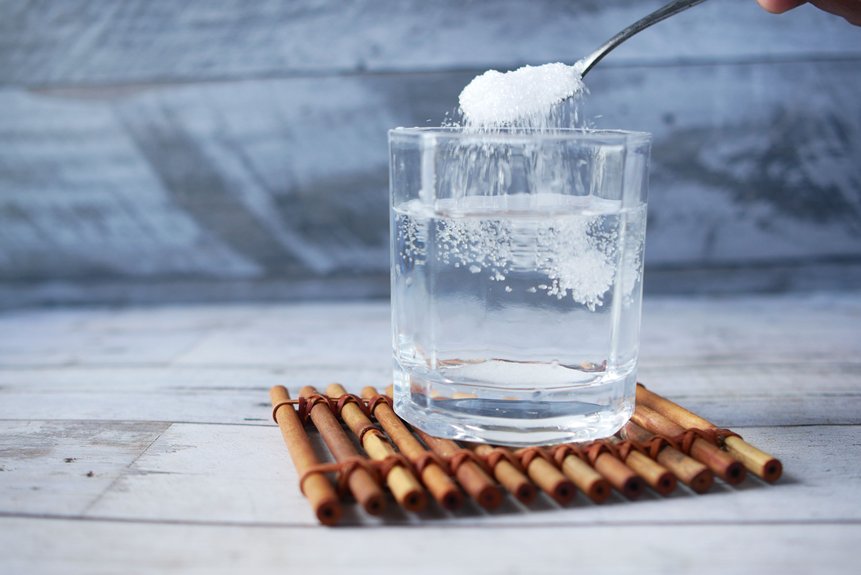
Mix your creatine powder with water, juice, or your favorite protein shake for better absorption. Stir or shake well to ensure it dissolves completely.
Taking it post-workout with a carbohydrate source can enhance uptake. Stay hydrated, as creatine draws water into your muscles.
Consistency is crucial, so make it part of your daily routine for the best results.
Ready-to-Drink Creatine: Benefits and Best Uses
Ready-to-drink creatine offers a convenient and efficient way to incorporate this supplement into your routine. These ready-made beverages eliminate the need for mixing powders, saving you time and effort.
They often come pre-flavored, making them more enjoyable to consume, especially during or after workouts. Additionally, many brands include electrolytes and other performance-enhancing ingredients, providing extra hydration and support for your workouts.
When using ready-to-drink creatine, it’s best to consume them around your exercise times to maximize their benefits. They can be particularly useful for athletes and fitness enthusiasts who need a quick energy boost before or after training.
Just remember to check the label for the creatine content and other ingredients to ensure it aligns with your fitness goals.
When Is the Best Time to Take Creatine?
Knowing when to take creatine can significantly enhance its effectiveness. Many experts recommend taking it post-workout, as your muscles are primed to absorb nutrients. Consuming creatine after your workout can help replenish your energy stores and support muscle recovery.
However, some individuals prefer taking it before their workouts to boost performance. If you’re consistent, the timing mightn’t be as crucial, since creatine builds up in your muscles over time.
Ultimately, it’s essential to find a routine that fits your schedule. Whether you choose pre- or post-workout, ensure you stay hydrated and pair it with carbohydrates or protein to enhance absorption. Consistency in your intake is key to maximizing the benefits of creatine.
Loading vs. Maintenance Phase: Key Insights
Whether you’re new to creatine or looking to optimize your regimen, understanding the loading and maintenance phases is crucial.
The loading phase involves taking about 20 grams of creatine daily, divided into four 5-gram doses, for 5 to 7 days. This approach saturates your muscles quickly, enhancing performance benefits sooner.
After this initial phase, you transition to the maintenance phase, where you take 3 to 5 grams daily to keep muscle creatine levels elevated. This phase can last indefinitely, depending on your training goals.
Remember, while loading can yield faster results, it’s not mandatory; some prefer to skip it and start directly with the maintenance dose.
Choose the method that aligns best with your fitness objectives.
What to Avoid When Using Creatine?
While creatine is generally safe and effective, there are several pitfalls to avoid to maximize its benefits and ensure your health.
First, steer clear of excessive dosing; taking more than the recommended amount won’t enhance results and might lead to unwanted side effects.
Next, avoid mixing creatine with high-sugar beverages, as this can lead to insulin spikes that might hinder its effectiveness.
Additionally, don’t neglect hydration; while we’re not discussing hydration needs here, staying adequately hydrated is vital when using creatine.
Lastly, be cautious with low-quality supplements; always choose a reputable brand to ensure purity and efficacy.
How Creatine Affects Your Hydration Needs
Understanding how creatine affects your hydration needs is crucial for optimizing its benefits. When you take creatine, it draws water into your muscles, potentially leading to dehydration if you don’t adjust your fluid intake.
You’ll need to increase your water consumption to compensate for the additional water retention in your muscles. Aim for at least 8-10 glasses of water daily, but this may vary based on your activity level and climate.
Additionally, pay attention to signs of dehydration, such as dark urine or fatigue. Balancing your hydration is essential not just for performance but also for overall health.
How to Tell if Creatine Is Working for You?
How can you tell if creatine is making a difference in your performance? First, monitor your energy levels during workouts. If you notice increased stamina and can push through more sets or heavier weights, that’s a good sign.
Look for changes in muscle recovery; quicker recovery times between sessions indicate creatine’s effectiveness. Additionally, pay attention to muscle size and definition. A noticeable increase in muscle mass or fullness can suggest creatine is working.
You might also experience improved mental clarity and focus during intense training. Finally, track your progress over a few weeks. If you’re consistently lifting more or seeing gains, creatine is likely contributing to your performance enhancement.
Always remember to stay hydrated and consult a healthcare professional if needed.