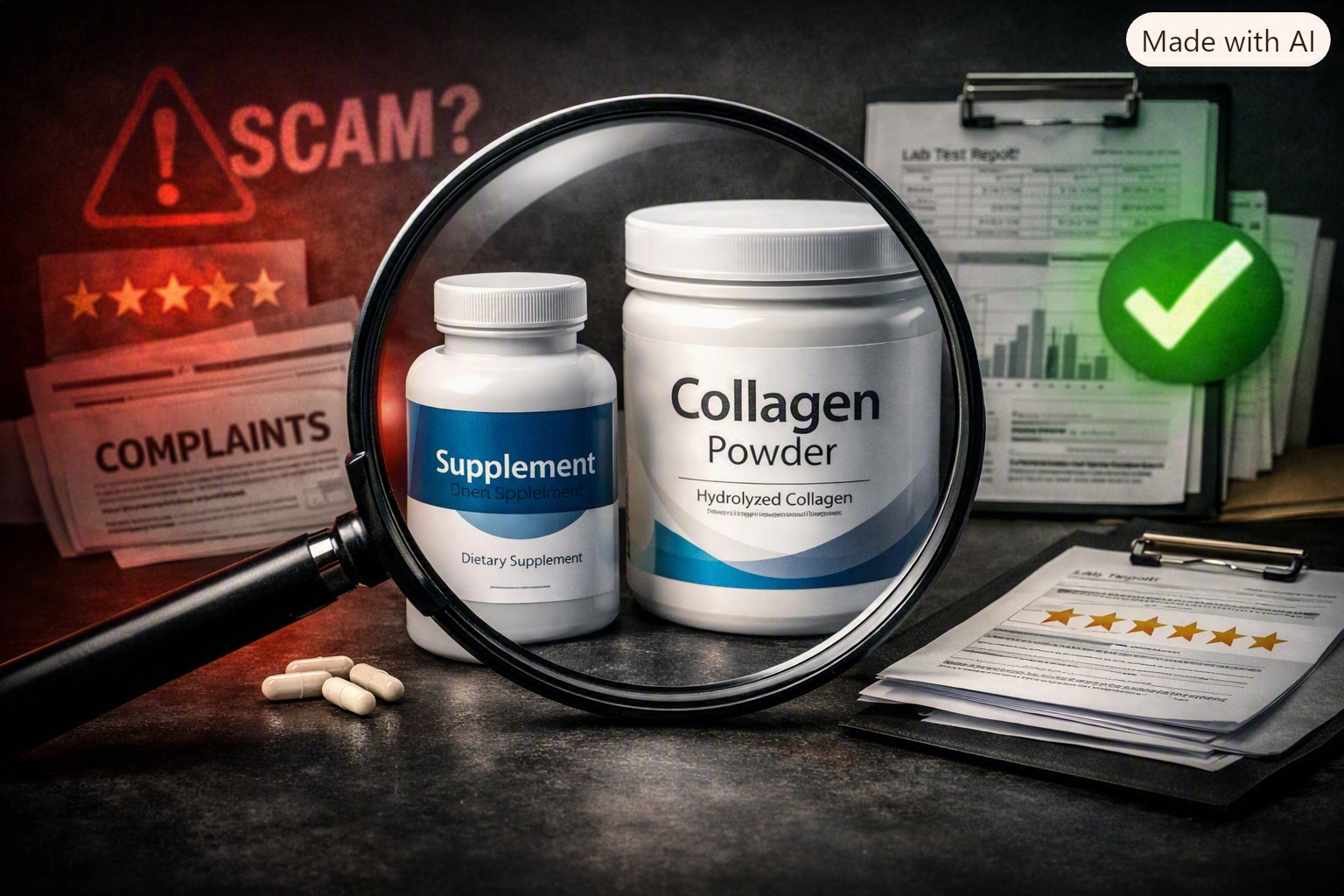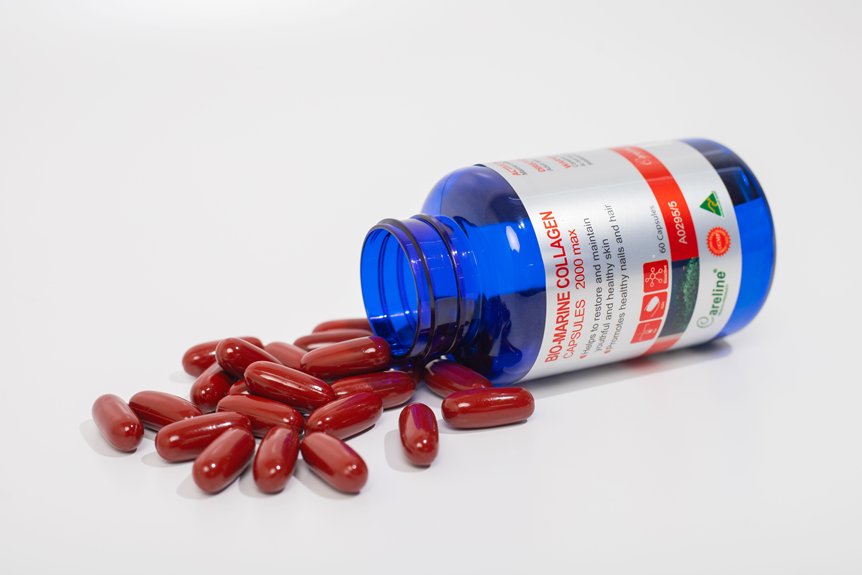
When you’re fasting, you might wonder if collagen supplements disrupt your goals. While collagen contains calories and amino acids that could trigger an insulin response, many people still use it without significant issues. It’s important to consider your specific fasting objectives—whether you’re focused on muscle maintenance or autophagy. Understanding the nuances can help you make informed choices about incorporating collagen into your routine. So, what’s the best approach for you?
What Is Fasting and Its Benefits?
Fasting, which involves voluntarily abstaining from food for a set period, offers several health benefits that many people find appealing.
It can enhance metabolic health by improving insulin sensitivity and promoting fat burning. You might also experience mental clarity and increased focus, as some studies suggest that fasting can boost brain function.
Additionally, fasting supports cellular repair processes, including autophagy, which helps remove damaged cells.
Many individuals find it simplifies their daily routines, as meal prep and planning become less cumbersome.
Moreover, fasting can foster a deeper connection to your body, allowing you to recognize genuine hunger cues. Research indicates that some users of collagen supplements report significant improvements in overall health during fasting periods.
Does Collagen Break a Fast?
Wondering whether collagen breaks a fast? The answer isn’t straightforward.
While collagen peptides contain calories, their impact on fasting depends on your goals. If you’re fasting for metabolic reasons, consuming collagen mightn’t disrupt your fat-burning state.
However, if your goal is autophagy or complete abstinence from calories, even small amounts of protein, like those found in collagen, could potentially break your fast.
Additionally, collagen’s amino acids may stimulate insulin response slightly, which some purists consider breaking a fast.
If you’re using collagen to support your joints or skin, weigh the benefits against your fasting goals.
Ultimately, it’s about what you’re aiming to achieve with your fast and how strict you want to be about it.
How Does Collagen Impact Your Body During a Fast?
While you’re fasting, incorporating collagen can have various effects on your body.
First, collagen provides essential amino acids, which can help maintain muscle mass during prolonged fasting. This is especially beneficial if you’re aiming to preserve lean tissue.
Additionally, collagen may support joint health, reducing discomfort that sometimes arises from fasting-related inflammation.
Moreover, it can promote gut health by strengthening the intestinal lining, potentially aiding digestion.
However, keep in mind that collagen does contain calories, which might affect your fasting goals if you’re strict about caloric intake.
Lastly, its role in skin elasticity could help you maintain a youthful appearance, even during fasting periods.
Balancing these effects can help you optimize your fasting experience.
How to Add Collagen to Your Fast
Incorporating collagen into your fasting routine can be straightforward and beneficial. You can start by choosing a high-quality collagen supplement, such as powder or liquid forms, that suits your preferences.
Mix collagen powder into your morning coffee or tea, or blend it into smoothies if you prefer something more substantial. If you’re following a strict fast, consider taking collagen during your eating window to maximize benefits without breaking your fast.
Pay attention to your body’s response; some people find that collagen helps curb cravings and promotes satiety. Additionally, ensure you’re staying hydrated throughout your fast, as this can enhance collagen’s effectiveness.
Effective Alternatives to Collagen for Fasting Support
If collagen isn’t your preferred option during fasting, there are several effective alternatives that can support your goals.
Amino acid supplements, particularly branched-chain amino acids (BCAAs), can help preserve muscle mass without breaking your fast.
Electrolyte drinks, low in calories, keep you hydrated and may curb hunger pangs.
Bone broth is another option; it’s rich in nutrients and can be consumed in moderation while fasting.
Herbal teas, like green tea, offer antioxidants and may boost metabolism.
Additionally, coconut oil provides healthy fats that can enhance energy levels without significant calories.