Did you know that about 30% of creatine users report experiencing side effects? While many individuals find it beneficial for performance and muscle growth, some express concerns about issues like acne, headaches, and digestive discomfort. Understanding the potential causes of these reactions is essential for anyone considering supplementation. So, what does the research say about these claims, and how can you mitigate any adverse effects?
What Is Creatine and How Does It Work?
Creatine, a naturally occurring compound in the body, plays a crucial role in energy production during high-intensity exercise.
It’s primarily stored in your muscles as phosphocreatine, where it helps regenerate adenosine triphosphate (ATP), the main energy currency of your cells.
When you engage in short bursts of strenuous activity, your body taps into this stored creatine to quickly replenish ATP levels, enhancing performance and endurance.
Supplementing with creatine can increase muscle creatine stores, potentially improving strength and muscle mass. Additionally, scientific support shows that creatine helps address age-related muscle loss, particularly beneficial for older adults.
However, individual responses can vary.
While many athletes benefit from its use, it’s essential to stay informed about your body’s reactions and consult with a healthcare professional if you have concerns about its effects.
Can Creatine Cause Acne or Skin Issues?
Have you ever wondered if creatine could be linked to skin issues like acne? The relationship between creatine and acne isn’t well-established, but some users report experiencing skin problems after starting supplementation.
Creatine itself doesn’t directly cause acne, but it may influence hormonal changes or water retention, potentially affecting your skin.
Additionally, if you’re consuming high amounts of creatine with other supplements or dietary changes, these factors could also contribute to skin issues.
It’s essential to consider your overall diet and lifestyle when assessing potential side effects.
If you notice a sudden change in your skin condition after starting creatine, it might be worth consulting a healthcare professional to explore possible connections and find a solution that works for you.
Do Creatine Users Commonly Experience Headaches?
Many users of creatine report a variety of side effects, and headaches are among the concerns that come up frequently. While some individuals do experience headaches after starting creatine supplementation, research doesn’t conclusively link creatine to this issue.
Possible explanations for headaches may include dehydration, as creatine pulls water into your muscles, which could reduce hydration levels elsewhere. Additionally, changes in exercise intensity or diet when starting creatine might also contribute to headaches.
It’s essential to stay well-hydrated and monitor your body’s response to the supplement. If you find that headaches persist or worsen, consider consulting a healthcare professional to rule out other underlying causes.
How Does Creatine Affect Your Digestion?
How does creatine impact digestion?
Creatine can affect your digestive system in various ways. Some users report mild gastrointestinal discomfort, such as bloating or cramping, particularly when taking higher doses. This can occur as your body adjusts to the supplement.
It’s important to stay hydrated, as creatine draws water into your muscles, potentially leading to dehydration if your fluid intake isn’t adequate.
Additionally, some individuals might experience diarrhea, especially if they consume creatine on an empty stomach or exceed recommended dosages.
However, these side effects aren’t universal; many users tolerate creatine well without digestive issues.
If you notice persistent problems, consider adjusting your dosage or consulting a healthcare professional for personalized advice.
Common Creatine Side Effects?
Creatine, a popular supplement among athletes and fitness enthusiasts, can lead to several common side effects. You might experience gastrointestinal issues, such as diarrhea or stomach cramps, especially if you take high doses.
Some users report weight gain, primarily due to increased water retention in your muscles. Headaches can also occur, likely linked to dehydration or changes in electrolyte balance.
Additionally, some individuals may notice muscle cramping, particularly if they’re not adequately hydrated. While these side effects aren’t universal, they’re worth considering if you’re thinking about adding creatine to your regimen.
Always pay attention to how your body responds, and consult a healthcare professional if you have concerns about these potential effects.
How to Minimize Side Effects When Taking Creatine
Experiencing side effects from creatine doesn’t have to be a given. To minimize potential issues, start with a lower dose, gradually increasing it as your body adapts.
Staying well-hydrated is crucial, so drink plenty of water throughout the day. This helps reduce the risk of gastrointestinal discomfort and cramps.
Additionally, consider timing your intake; taking creatine post-workout with a meal can enhance absorption and may lessen side effects. Pairing it with carbohydrates may also improve its effectiveness.
Monitor your body’s response and adjust your dosage accordingly.
Lastly, consult a healthcare professional if you have concerns or preexisting conditions, ensuring a safe supplementation experience tailored to your needs.
Who Should Avoid Creatine Supplementation?
While many people can benefit from creatine supplementation, certain individuals should steer clear of it. If you have kidney disease or any pre-existing kidney issues, it’s best to avoid creatine, as it may put additional strain on these organs.
Individuals with diabetes or blood sugar regulation problems should also be cautious, as creatine can affect insulin sensitivity. Pregnant or breastfeeding women should consult a healthcare professional before using creatine, as its safety in these situations isn’t fully understood.
Additionally, if you’re taking medications that affect kidney function or hydration status, it’s wise to avoid creatine. Always consult with a healthcare provider to determine if creatine is appropriate for your unique health circumstances.
What Does Research Say About Creatine Safety?
Research on creatine safety reveals a generally positive profile for healthy individuals, particularly when used as directed. Numerous studies indicate that creatine supplementation is safe for most people, showing minimal side effects like gastrointestinal discomfort or muscle cramping in some cases.
Long-term research, spanning over five years, hasn’t demonstrated significant health risks in healthy adults. However, it’s essential to consider individual differences; some might experience mild reactions.
Additionally, hydration is crucial, as creatine can cause water retention. Always consult a healthcare professional before starting supplementation, especially if you have pre-existing conditions.
Comparing Creatine to Other Performance Supplements
When comparing creatine to other performance supplements, it’s essential to consider how each affects your body and aims to enhance athletic performance.
Creatine primarily boosts energy production in muscles, making it ideal for short bursts of high-intensity activity. In contrast, protein supplements focus on muscle recovery and growth, providing the necessary amino acids post-exercise.
Pre-workout supplements often contain stimulants like caffeine, which can enhance focus and endurance but may lead to jitters or crashes.
Branched-chain amino acids (BCAAs) help reduce muscle soreness and fatigue, but their benefits can be less pronounced compared to creatine.
Ultimately, the best choice depends on your specific goals, training style, and how your body responds to each supplement.
How to Choose the Right Creatine Supplement for You
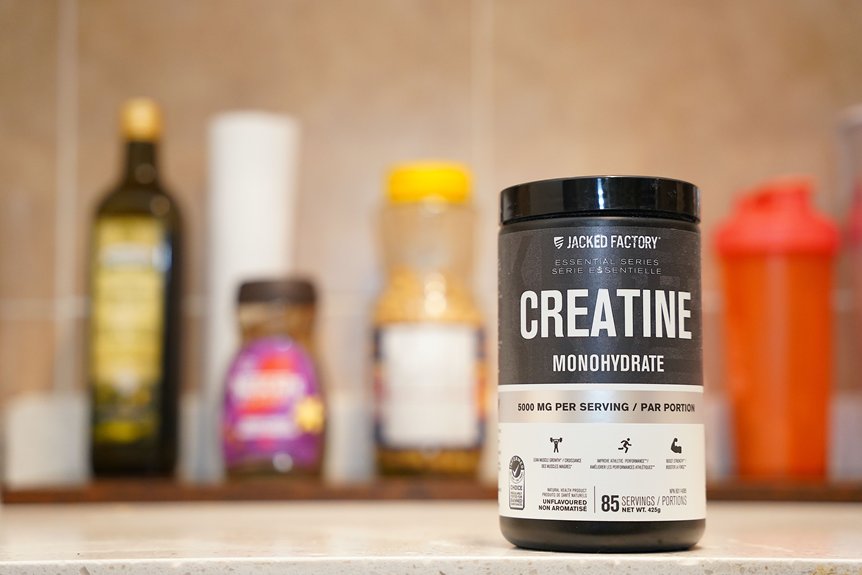
How do you determine which creatine supplement is right for you? First, consider the type of creatine. Creatine monohydrate is the most researched and cost-effective, while creatine ethyl ester and buffered options may offer unique benefits.
Next, check for purity. Look for products with minimal additives and third-party testing for quality assurance.
You should also assess your goals. If you’re focused on muscle gain, higher doses might suit you, while endurance athletes may prefer lower amounts.
Don’t forget to read reviews and consult with healthcare professionals, especially if you have underlying health conditions.
Finally, consider how the supplement fits into your diet and routine. Choosing the right creatine can enhance your performance without unnecessary side effects.