Creatine might just be the closest thing to a magic potion for athletes. It’s a natural compound your body makes from amino acids, mainly found in muscle cells. But what exactly does it do? Understanding its role in energy production and muscle performance can be crucial for anyone looking to improve their workouts. So, let’s explore how creatine works and why it’s become a popular supplement among fitness enthusiasts.
What Is Creatine and Where Does It Come From?
Creatine is a naturally occurring compound found in your body, primarily in muscle cells, where it plays a crucial role in producing energy during high-intensity activities. This organic acid consists of three amino acids: arginine, glycine, and methionine. You can obtain creatine from dietary sources such as red meat and fish. Your body also synthesizes it, mainly in the liver, kidneys, and pancreas.
When you consume creatine, it’s stored as phosphocreatine, which helps regenerate adenosine triphosphate (ATP), your body’s primary energy carrier.
Though your body produces creatine, supplementation can increase its availability, potentially enhancing performance in activities like weightlifting or sprinting. Additionally, creatine supplementation has been shown to aid in addressing age-related muscle loss, particularly beneficial for adults over 50.
Understanding creatine’s origin and function can help you make informed decisions about its use in your fitness regimen.
How Does Creatine Work in the Body?
When you engage in high-intensity exercise, your body relies heavily on creatine to fuel muscle contractions. Creatine is stored in your muscles as phosphocreatine, which helps regenerate adenosine triphosphate (ATP), the primary energy carrier in cells.
During short bursts of activity, like sprinting or weightlifting, ATP is rapidly consumed, and creatine steps in to replenish it. This process allows you to sustain peak performance for longer periods.
Additionally, creatine enhances water retention in muscle cells, contributing to increased cell volume. This not only supports muscle growth but also aids in recovery.
Understanding how creatine functions in your body can help you make informed decisions about its use in your fitness regimen.
The Benefits of Creatine for Athletes and Fitness Enthusiasts
For athletes and fitness enthusiasts, the advantages of incorporating creatine into their regimen can be significant.
Creatine enhances your body’s ability to produce energy during high-intensity exercise, allowing for improved performance in activities like sprinting or weightlifting. By increasing your muscle mass, creatine also supports quicker recovery times, letting you train harder and more frequently.
Additionally, studies suggest that creatine may enhance cognitive performance, which can be beneficial during competitions or intense training sessions. Regular supplementation can lead to increased strength, power output, and endurance, making it a valuable tool for anyone looking to push their limits.
Ultimately, creatine serves as a practical option for maximizing your athletic potential and achieving your fitness goals.
Are There Any Side Effects of Creatine Supplementation?
Have you ever wondered about the potential side effects of creatine supplementation? While creatine is generally considered safe for most people, some may experience side effects.
Common issues include gastrointestinal discomfort, cramping, or dehydration, especially if you don’t drink enough water. You might also notice weight gain due to increased water retention in your muscles.
Although rare, some individuals may experience muscle strains or kidney stress, particularly if pre-existing conditions are present.
It’s important to consult with a healthcare professional before starting supplementation, especially if you have underlying health conditions. Monitoring your body’s response can help you determine if creatine is right for you and ensure you’re using it safely and effectively.
Different Types of Creatine: How to Choose the Right One
Which type of creatine is right for you?
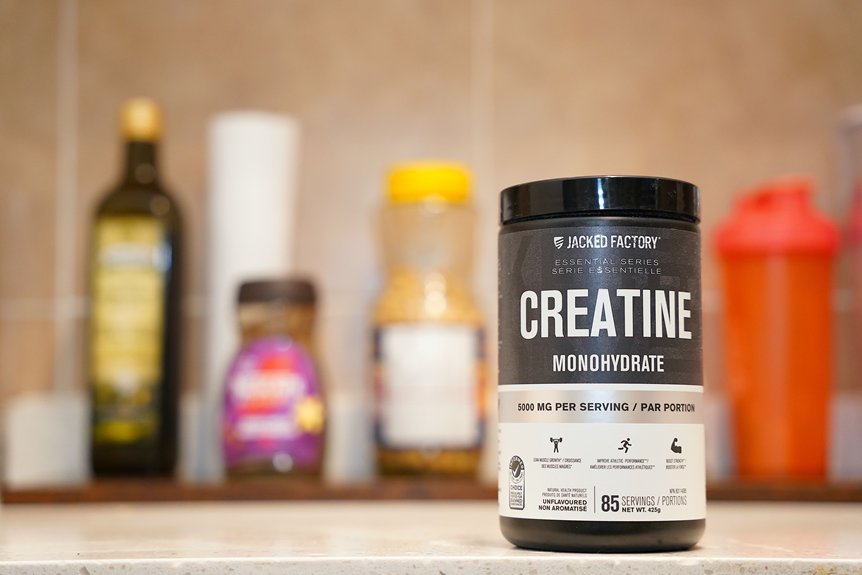
Creatine monohydrate is the most studied and widely used form, known for its effectiveness and affordability.
If you’re looking for something easier to mix and digest, consider creatine hydrochloride, which may cause fewer gastrointestinal issues.
For those wanting faster absorption, creatine ethyl ester could be a good choice, though research on its benefits is limited.
Other options like buffered creatine claim to reduce side effects but may not be as effective as monohydrate.
Ultimately, your choice should depend on your specific goals, digestive tolerance, and budget.
Always consult a healthcare professional before starting any supplement to ensure it aligns with your health needs.
Using Creatine for Best Results
Choosing the right type of creatine is just the first step; knowing how to use it effectively can maximize its benefits.
Start by loading creatine with 20 grams daily for about five to seven days, divided into four doses. After that, switch to a maintenance dose of 3 to 5 grams daily.
Timing matters, too—taking creatine post-workout can enhance its effectiveness when combined with carbohydrates and protein.
Hydration is crucial, so drink plenty of water to support muscle function.
Consistency is key; make it part of your daily routine for the best results.
Lastly, combine creatine with a solid training program and balanced diet to see significant improvements in strength and performance.
Debunking Common Myths About Creatine
While many people associate creatine with misconceptions, understanding the facts can help you make informed decisions about its use.
One common myth is that creatine causes dehydration; however, research shows it actually helps cells retain water, supporting muscle function.
Another misconception is that it leads to kidney damage, but studies indicate that healthy individuals can safely use it without adverse effects.
Some believe creatine’s benefits are only for bodybuilders, yet it can enhance performance in various sports, including endurance activities.
Lastly, many think it’s a steroid, but creatine is a natural compound found in foods like meat and fish.
Who Should Consider Taking Creatine?
Wondering if creatine is right for you? If you’re an athlete or someone who engages in high-intensity workouts, creatine might be a beneficial addition to your routine. It can enhance your performance, increase strength, and promote muscle growth.
Vegetarians and vegans may also consider creatine, as they typically have lower levels of this compound in their diets. Older adults can benefit too, as it may help with muscle mass preservation and overall strength.
If you’re focused on improving recovery times or maximizing your workout potential, creatine can support those goals. However, if you have kidney concerns or other health issues, consult a healthcare professional before starting any supplementation.
Ultimately, understanding your specific needs will guide your decision.
How to Incorporate Creatine Into Your Nutrition Plan
Incorporating creatine into your nutrition plan can be straightforward and effective, especially if you follow a few key guidelines.
Start by choosing a high-quality creatine monohydrate supplement, as it’s the most researched form. You can take it daily, typically in doses of 3 to 5 grams. Mixing it with water or your post-workout shake works well.
To maximize benefits, consider a loading phase of 20 grams per day for the first week, split into smaller doses. After that, switch to the maintenance dose.
Stay hydrated, as creatine draws water into your muscles. Finally, pair your creatine intake with a balanced diet rich in protein and carbohydrates to support muscle recovery and growth.
This approach ensures you get the most out of your supplement.