You’d think creatine was the root of all hair loss, given the buzz around it. While there’s no solid proof linking creatine to shedding locks, some anecdotal claims suggest it might raise DHT levels, a hormone tied to hair follicle issues. So, what does the science actually say? Understanding the nuances could make a difference in your fitness journey and hair health.
What Is Creatine and How Does It Work?
Creatine is a naturally occurring compound found in small amounts in certain foods and synthesized in the body from amino acids. It primarily exists in muscle tissue, where it plays a crucial role in energy production.
When you engage in high-intensity exercise, your body relies on adenosine triphosphate (ATP) for energy. Creatine helps regenerate ATP, allowing for sustained physical performance.
You can obtain creatine from dietary sources like meat and fish or through supplements. Once ingested, it converts to phosphocreatine, which stores energy for quick bursts of activity.
This stored energy is particularly beneficial during short, intense workouts. Understanding how creatine works can help you make informed decisions about its use in your fitness regimen. Additionally, creatine has been shown to aid in age-related muscle loss, making it a valuable supplement for older adults.
The Benefits of Creatine for Athletes and Bodybuilders
When athletes and bodybuilders incorporate creatine into their training regimen, they often experience significant improvements in performance and recovery.
Creatine enhances ATP production, which provides the energy needed for high-intensity workouts. This boost can lead to increased strength, power, and muscle mass.
Studies show that supplementation can improve endurance during repetitive sprint activities and reduce muscle soreness post-exercise, allowing for quicker recovery times.
Additionally, creatine may enhance cognitive function during intense training sessions, helping you stay focused and motivated.
By improving hydration and cell volumization in muscle cells, creatine also promotes an anabolic environment conducive to growth.
Understanding Hair Loss: Types and Causes
While hair loss can be a distressing experience, understanding its types and causes can empower you to address the issue effectively.
Hair loss generally falls into two categories: temporary and permanent. Temporary loss often results from factors like stress, illness, or hormonal changes, and it can be reversible.
Permanent hair loss, such as androgenetic alopecia, is typically genetic, affecting both men and women. Other causes include medical conditions, medications, and nutritional deficiencies.
Recognizing these types helps you identify potential triggers in your life. By understanding the underlying factors, you can make informed decisions about treatment options and lifestyle changes, ultimately gaining control over your hair health and well-being.
Is There a Link Between Creatine and Hair Loss?
Many athletes and fitness enthusiasts turn to creatine as a supplement to boost performance and muscle mass. However, questions about its potential link to hair loss have emerged.
Current research doesn’t establish a direct connection between creatine supplementation and hair loss. Studies have primarily focused on the effects of creatine on muscle growth and exercise performance, not on hair health.
Some anecdotal reports suggest that creatine might influence dihydrotestosterone (DHT) levels, a hormone associated with hair loss, but robust scientific evidence is lacking.
If you’re concerned about hair loss, it’s essential to consider other factors like genetics and overall health. Consulting a healthcare professional can provide personalized insights tailored to your specific needs.
How DHT Relates to Creatine and Hair Loss
Although the connection between creatine and hair loss is still debated, understanding the role of dihydrotestosterone (DHT) is crucial. DHT is a potent androgen derived from testosterone, and it’s known to contribute to hair follicle miniaturization, a key factor in male and female pattern baldness.
Some studies suggest that creatine supplementation may elevate DHT levels, potentially increasing the risk of hair loss in genetically predisposed individuals. However, the evidence isn’t definitive.
Many factors influence hair loss, including genetics and hormonal balance. If you’re concerned about hair loss while using creatine, it’s wise to consult a healthcare professional. They can help you assess your risk and explore alternatives tailored to your fitness goals and hair health.
What Research Says About Creatine and Hair Loss?
What does the research actually say about creatine and hair loss? Current studies provide mixed results.
Some research suggests that creatine could increase levels of dihydrotestosterone (DHT), a hormone linked to hair loss, particularly in individuals predisposed to male pattern baldness. However, significant direct evidence connecting creatine supplementation to hair loss is limited.
Most studies focus on athletic performance rather than long-term effects on hair. For instance, a 2009 study indicated DHT increases after creatine use, but it didn’t directly measure hair loss outcomes.
Overall, while there’s some association between creatine and DHT, more comprehensive research is needed to establish a clear link between creatine supplementation and hair loss.
Always consult a healthcare professional for personalized advice.
Individual Variability: Who Might Be Affected?
Who might be particularly affected by the potential link between creatine and hair loss?
Research suggests that individuals with a genetic predisposition to male or female pattern baldness may be more susceptible. If you have a family history of hair loss, you might want to approach creatine supplementation with caution.
Additionally, younger adults, particularly those in their late teens or early twenties, may experience more pronounced effects due to hormonal fluctuations.
It’s essential to consider how your body responds to creatine, as some may notice changes while others do not. Monitoring your hair health during supplementation can provide insights into whether you’re experiencing any adverse effects related to hair loss.
Always consult with a healthcare provider before starting any new supplement regimen.
Lifestyle and Genetic Factors Influencing Hair Loss
Genetic factors play a significant role in hair loss, but lifestyle choices can also influence its progression. If you have a family history of hair loss, you may be more susceptible.
However, factors like diet, stress, and smoking can exacerbate this condition. A balanced diet rich in vitamins and minerals, particularly biotin and zinc, supports hair health.
High-stress levels can lead to telogen effluvium, a temporary hair loss condition. Additionally, smoking has been linked to poor blood circulation, potentially affecting hair follicles.
By managing stress through techniques like meditation or exercise, and adopting healthier habits, you can mitigate some of the risks associated with hair loss.
Understanding both genetic and lifestyle factors helps you take proactive steps in maintaining hair health.
Safely Using Creatine for Hair Health
While concerns about creatine and hair loss persist, understanding how to use this supplement safely can help you maximize its benefits without compromising hair health.
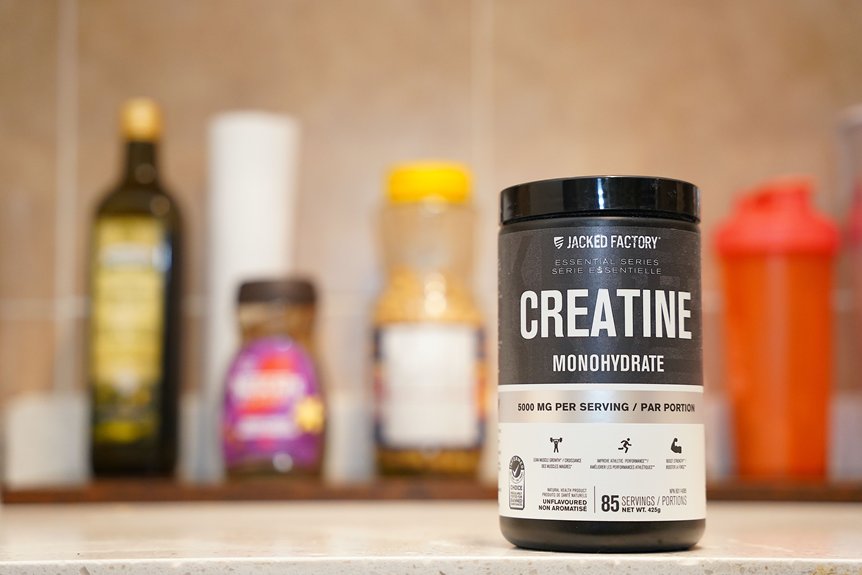
Start by choosing a high-quality creatine product, preferably creatine monohydrate, as it’s the most researched and effective form. Stick to recommended dosages—typically 3 to 5 grams daily.
Staying hydrated is crucial, as creatine can draw water into your muscles. Monitor your body’s response; if you notice any adverse effects, consider reducing your intake.
Pair creatine use with a balanced diet rich in vitamins and minerals to support overall hair health.
Lastly, consult with a healthcare professional before starting any supplement regimen, especially if you have pre-existing health conditions or concerns about hair loss.
Making an Informed Decision: Should You Use Creatine?
Before deciding whether to use creatine, it’s essential to weigh the potential benefits against any concerns you might have, especially regarding hair health.
Creatine is well-known for enhancing athletic performance and muscle growth, making it a popular choice among athletes and bodybuilders.
However, some studies suggest a link between creatine and increased DHT levels, a hormone associated with hair loss in genetically predisposed individuals.
It’s crucial to consider your personal risk factors, such as family history of hair loss.
If you’re concerned, consult with a healthcare professional to discuss your options.
Ultimately, making an informed decision involves balancing your fitness goals with potential effects on your hair health.
Stay educated and choose what feels right for you.