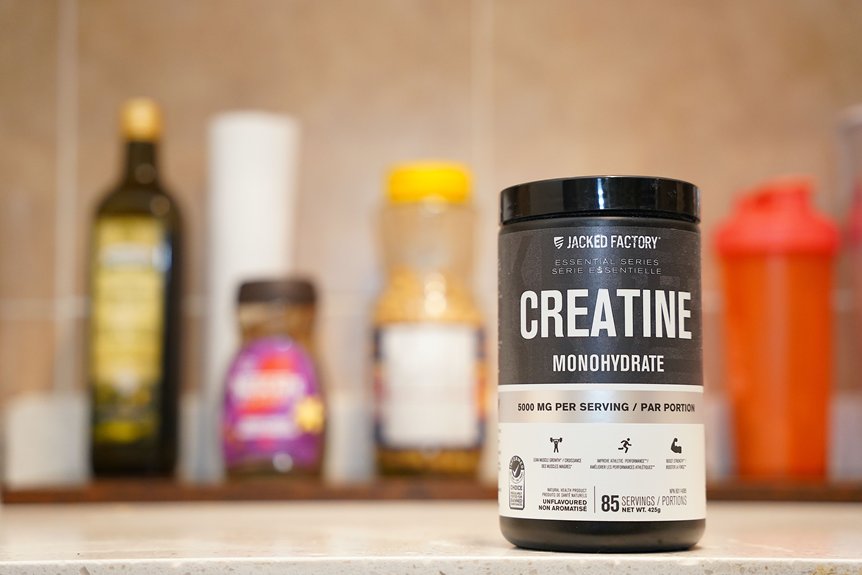
You might think creatine is just another supplement with exaggerated claims, but research consistently shows it can enhance athletic performance. By increasing ATP production, it boosts energy during high-intensity workouts and speeds up recovery. However, understanding how it works and what to expect is crucial for maximizing its benefits. So, what should you know before adding creatine to your routine?
What Is Creatine and How Does It Work?
Creatine, a naturally occurring compound found in small amounts in certain foods and synthesized by the body, plays a crucial role in energy production during high-intensity exercise.
It primarily exists in muscle cells, where it helps regenerate adenosine triphosphate (ATP), the energy currency of your body. When you engage in short bursts of intense activity, such as sprinting or weightlifting, ATP depletes quickly.
Creatine enhances your muscles’ ability to produce ATP, allowing you to perform at higher intensities for longer periods. Additionally, creatine can influence muscle hydration and cell signaling, contributing to muscle growth. Research supports that creatine also addresses age-related muscle loss, particularly beneficial for older adults.
Understanding these mechanisms can clarify how creatine functions at a cellular level, setting the stage for exploring its potential benefits in athletic performance and fitness.
How Creatine Can Benefit You
Many athletes and fitness enthusiasts turn to creatine for its potential performance-enhancing benefits.
When you supplement with creatine, you may experience increased muscle mass, improved strength, and enhanced recovery. Creatine helps replenish ATP (adenosine triphosphate), the primary energy currency in your muscles, allowing you to perform high-intensity exercises more effectively.
Studies suggest that it can boost your performance in activities like sprinting and weightlifting, leading to better training outcomes. Additionally, creatine may reduce muscle soreness post-exercise, helping you bounce back faster for your next workout.
Who Should Consider Taking Creatine?
Are you looking to enhance your workout performance? If so, you might want to consider creatine supplementation.
Athletes engaged in high-intensity sports, such as sprinting or weightlifting, can particularly benefit from creatine, as it helps in generating quick bursts of energy.
Additionally, if you’re training for muscle gain, creatine can improve strength and support recovery.
Vegans and vegetarians may find creatine supplementation beneficial due to lower natural levels in their diets.
However, if you have pre-existing kidney conditions, consult a healthcare professional before starting.
Ultimately, assessing your fitness goals and current dietary habits will help determine if creatine is a suitable addition to your regimen.
Consider your unique needs to make an informed decision.
Common Myths About Creatine
What misconceptions surround creatine supplementation? One common myth is that creatine causes weight gain solely from water retention. While it’s true that initial gains may come from increased water in muscles, this isn’t the same as fat gain. Another myth suggests that creatine is only for bodybuilders or athletes. In reality, it can benefit anyone looking to enhance exercise performance, including recreational athletes. Some also believe creatine harms the kidneys; however, research shows it’s safe for healthy individuals when taken as directed. Lastly, many think you must cycle creatine for effectiveness, but consistent use is beneficial. Understanding these myths can help you make informed decisions about incorporating creatine into your regimen.
What Happens When You Start Taking Creatine?
When you start taking creatine, your body undergoes several noticeable changes, particularly in muscle energy levels.
You may experience an increase in adenosine triphosphate (ATP) production, which fuels high-intensity workouts. This boost can enhance your performance, allowing for longer and more intense training sessions.
Additionally, creatine encourages water retention in muscle cells, leading to a temporary increase in weight and muscle volume.
You might also notice improved recovery times between workouts, as creatine aids in reducing muscle soreness.
Over time, consistent supplementation can contribute to muscle growth and strength gains.
However, individual responses vary, so it’s essential to monitor how your body reacts and adjust your intake accordingly for optimal results.