Did you know that around 30% of athletes use creatine as part of their training regimen? Understanding how much creatine you should take daily is crucial for optimizing its benefits. Whether you’re a beginner or an experienced user, the right dosage can make a significant difference in your performance. But what exactly should your daily intake look like? Let’s explore the nuances of creatine supplementation.
What Is Creatine and How Does It Work?
Creatine is a naturally occurring compound found in small amounts in certain foods and synthesized by the body. It plays a crucial role in energy production, particularly during high-intensity exercise.
When you engage in activities like sprinting or lifting weights, your body relies on adenosine triphosphate (ATP) for immediate energy. However, ATP stores are limited and deplete quickly.
Here’s where creatine comes in: it helps regenerate ATP, allowing you to maintain peak performance for longer periods. Most of the creatine in your body is stored in your muscles, and supplementation can increase these levels, enhancing your ability to perform short bursts of high-intensity activities. This is especially beneficial for older adults, as creatine supplementation can help combat age-related muscle loss and improve overall physical performance.
This makes it a popular choice for those looking to improve their physical performance.
Why Do Athletes Use Creatine?
While many athletes seek ways to enhance their performance, creatine stands out as a popular supplement due to its proven benefits.
Athletes use creatine primarily to boost their strength and power during high-intensity workouts. It helps increase the availability of adenosine triphosphate (ATP), which fuels muscle contractions. This means you can push harder and recover faster between sets or sprints.
Creatine’s benefits extend to improved endurance and reduced fatigue, making it suitable for various sports. Additionally, it may aid in muscle growth, as increased training intensity can lead to greater gains over time.
Whether you’re lifting weights or competing in sports, creatine can be an effective tool to maximize your athletic performance.
Why Getting Your Creatine Dosage Right Matters
Getting your creatine dosage right is crucial for maximizing its benefits and ensuring your body functions optimally during workouts. When you take the appropriate amount, you enhance your muscle strength, endurance, and recovery.
Too little mightn’t yield noticeable results, while too much can lead to unwanted side effects like dehydration or digestive issues. Finding the right dosage helps maintain energy levels, allowing you to push harder during training sessions.
It also supports muscle growth and reduces recovery time, ultimately improving your performance. By tailoring your intake to your specific needs, you can effectively harness creatine’s potential without risking any negative impacts on your health or workout routine.
Prioritizing the correct dosage is key to achieving your fitness goals effectively.
How Much Creatine Should You Take Daily?
How much creatine should you actually take daily for optimal results? Most research suggests a daily dose of 3 to 5 grams. This amount is generally effective for enhancing muscle performance, strength, and recovery.
If you’re just starting, sticking to the lower end of the range is wise. You don’t need to overdo it; more isn’t necessarily better.
Consistency is key, so try to take it at the same time each day. You can mix it with water or your favorite beverage for convenience.
Loading vs. Maintenance: Key Differences
When considering creatine supplementation, understanding the differences between loading and maintenance phases is essential for maximizing benefits.
The loading phase typically involves taking around 20 grams of creatine daily for 5 to 7 days. This approach saturates your muscles quickly, allowing for faster performance improvements.
After the loading phase, you transition to the maintenance phase, where you reduce your intake to about 3 to 5 grams per day. This lower dosage helps maintain elevated creatine levels in your muscles without the need for high initial doses.
Choosing between these phases depends on your goals and timeline. If you’re looking for rapid results, loading may be beneficial, while maintenance is ideal for long-term supplementation.
Key Factors Affecting Your Daily Creatine Dosage
Several key factors influence your daily creatine dosage and can help you determine the most effective amount for your needs.
First, your body weight plays a significant role; generally, a dosage of 0.03 grams per kilogram of body weight is recommended.
Secondly, your activity level matters; athletes or those engaging in intense workouts may require higher amounts to support muscle recovery and energy production.
Additionally, the type of creatine you choose can affect absorption and effectiveness.
Individual response to creatine also varies; some people may experience better results with lower doses.
Lastly, consider your dietary intake; if you consume creatine-rich foods, you might need less supplementation.
Tailoring your dosage based on these factors can optimize your results.
When to Take Creatine for Maximum Benefit?
Determining the right time to take creatine can significantly enhance its benefits. Most experts recommend taking creatine either before or after your workout. Taking it before can boost your energy levels during exercise, allowing you to perform at your best.
On the other hand, post-workout consumption helps with recovery by replenishing depleted creatine stores in your muscles.
If you’re not working out, you can still take creatine at any time during the day. Consistency is key, so find a routine that fits your schedule. Some people prefer mixing it with a carbohydrate-rich drink to improve absorption.
Ultimately, the best time to take creatine depends on your personal preference and workout schedule, but regular intake is crucial for optimal results.
Best Types of Creatine: Which One Should You Choose?
What type of creatine should you choose for your fitness goals?
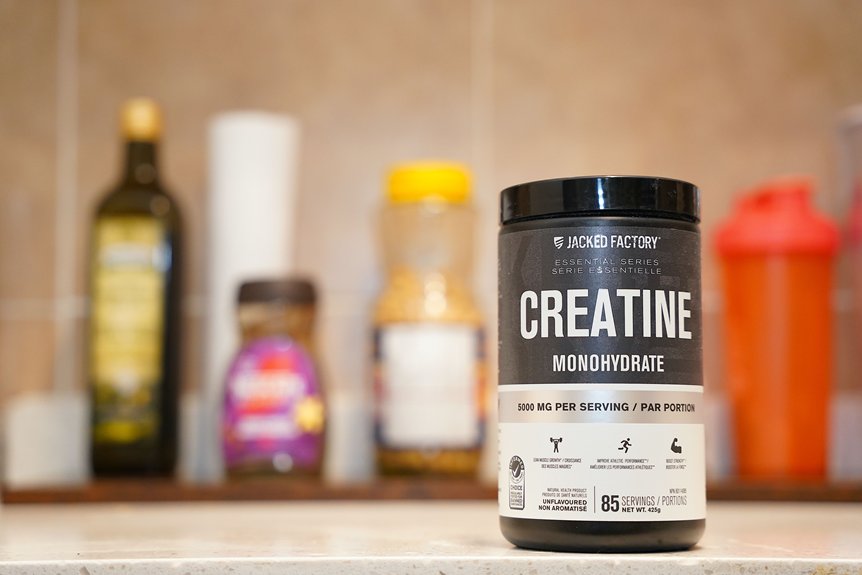
The most popular option is creatine monohydrate, known for its effectiveness and affordability. It’s been extensively researched and is great for building muscle and improving performance.
If you’re looking for faster absorption, consider creatine hydrochloride. It’s often touted for causing fewer gastrointestinal issues.
For those seeking enhanced muscle hydration, creatine ethyl ester might be a good fit, although research is limited.
If you prefer a blend, look for products containing multiple forms of creatine, which can offer various benefits.
Ultimately, your choice should align with your specific training needs and budget. Always stay informed and choose a reputable brand for quality assurance.
What to Watch For: Creatine Side Effects
While creatine is generally safe for most users, it’s important to be aware of potential side effects that can arise. Some individuals may experience gastrointestinal issues, such as stomach cramps, diarrhea, or nausea. These symptoms often occur if you take too much at once, so spreading your dosage throughout the day can help.
You might also notice water retention, which can lead to weight gain and a bloated feeling. Rarely, some users report muscle cramping or strains.
If you have pre-existing kidney conditions, consult a healthcare professional before starting creatine, as it could exacerbate issues. Always listen to your body, and if you experience severe side effects, stop taking it and seek medical advice promptly.
Tips for Adding Creatine to Your Routine
To effectively incorporate creatine into your routine, start by establishing a consistent schedule for taking it. You can choose to take creatine either before or after your workout, but sticking to the same time each day helps maintain steady levels in your system.
Mixing creatine with water or a carbohydrate-rich drink can enhance absorption, so consider this when planning your intake. Additionally, staying well-hydrated is crucial, as creatine draws water into your muscles.
Track your progress and adjust your dosage if necessary, especially during loading phases. Lastly, combine creatine intake with a balanced diet and regular exercise for optimal results.
Consistency and awareness of your body’s responses will maximize the benefits of creatine supplementation.