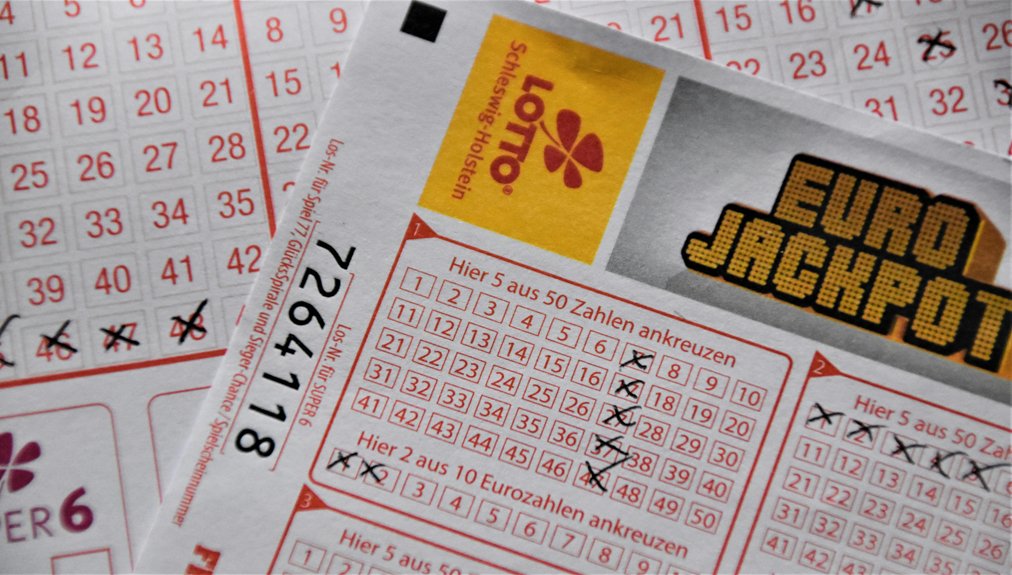
When you think of lottery numbers, you might picture pure chance. But that’s not the whole story. Lottery numbers are generated using algorithms and pseudo-random number generators, which can create predictable patterns over time. This raises important questions about fairness and the real odds of winning. What if understanding these mechanics could change how you pick your lucky numbers? Let’s explore the hidden intricacies of lottery number selection.
The Role of Random Number Generators
When it comes to choosing lottery numbers, random number generators (RNGs) play an essential role in ensuring fairness and unpredictability.
These sophisticated algorithms generate numbers quickly and efficiently, making sure that each draw is unique and unbiased. You might wonder how this affects your chances of winning.
By relying on RNGs, lotteries eliminate human error and manipulation, ensuring that every number has an equal chance of being selected. This technology is vital for maintaining public trust in the lottery system.
When you participate, you can feel confident knowing that the numbers drawn are the result of a carefully designed process. Ultimately, RNGs help create a level playing field for all players, enhancing the overall lottery experience. Additionally, software like Lotto Champ utilizes data-driven strategies to further improve players’ odds by analyzing historical trends.
Understanding Pseudo-Randomness
Although lottery draws rely on random number generators, the numbers produced are often pseudo-random rather than truly random. This means the sequences generated can appear random, but they’re actually determined by specific algorithms.
These algorithms use initial values, or seeds, to create a predictable sequence of numbers. While you might expect every number to have an equal chance of appearing, the underlying process can lead to patterns that aren’t truly random.
Understanding this concept is essential, as it influences how you perceive the fairness of lottery draws. The illusion of randomness can make you feel like you have a fair shot, but knowing about pseudo-randomness can change how you approach your lottery strategy. Additionally, leveraging mathematical analysis can enhance your ability to predict outcomes more effectively.
The Impact of Lottery Algorithms
Understanding pseudo-randomness sets the stage for examining how lottery algorithms influence the numbers you see in draws.
These algorithms aren’t purely random; they use complex mathematical formulas that create predictable outcomes within certain constraints. This means that while you might think each number has an equal chance, the algorithm can skew results based on various factors.
For instance, some algorithms might favor certain number combinations or patterns, even if subtly. This manipulation can impact your chances of winning, shaping the landscape of lottery results.
As you play, it’s essential to recognize that the numbers drawn aren’t entirely random, but rather the product of calculated processes designed to maintain interest while ensuring the integrity of the game.
Analyzing Patterns in Winning Numbers
As you plunge into the world of lottery numbers, you might notice intriguing patterns that emerge from past winning combinations. You’ll see that certain numbers appear more frequently than others, revealing a sort of rhythm in the chaos.
It’s not uncommon for players to gravitate toward specific sequences or groupings, believing these choices boost their chances. Additionally, you may spot trends based on odd and even numbers or high and low ranges. Some players even analyze the frequency of consecutive numbers, hoping to catch a lucky break.
While the lottery is ultimately a game of chance, recognizing these patterns can add an extra layer of strategy to your selections. Just remember, no method guarantees a win!
The Influence of Historical Data
Historical data plays an essential role in shaping your lottery number choices, especially if you’re looking to make informed selections. By analyzing past winning numbers, you can identify trends and patterns that might influence your picks.
For instance, certain numbers may appear more frequently, while others might seem to be “due” for a win after a long absence. You might notice hot and cold numbers, which can guide your strategy.
Additionally, understanding the frequency of number combinations can help you avoid common selections that lead to shared jackpots. Using this data, you can make choices that feel more calculated, rather than relying purely on chance.
Ultimately, it’s about enhancing your odds through informed decision-making.
The Psychology of Number Selection
When you pick lottery numbers, your choices can be heavily influenced by psychological factors. Many people tend to choose numbers that hold personal significance, like birthdays or anniversaries. This habit often leads to selecting numbers between 1 and 31, limiting your range.
You might also fall into the trap of “lucky” numbers, believing they’ll increase your chances of winning. Confirmation bias plays a role here, as you remember wins associated with these numbers while forgetting losses.
Additionally, social influences can sway your choices; you might pick numbers popular among friends or family to enhance group bonding. Recognizing these psychological patterns can help you make more informed selections, potentially broadening your number range and improving your odds.
The Effect of Player Choices on Outcomes
How do your choices impact your lottery outcomes? The numbers you select can greatly influence your chances of winning.
Many players tend to choose birthdays or anniversaries, limiting their options to 1-31. This common pattern can lead to shared winnings if those numbers hit, reducing your payout.
On the flip side, opting for less popular numbers might increase your potential prize if you win, as fewer players will likely choose those same numbers.
Additionally, some players believe in “lucky” numbers or patterns, which can affect their selection process.
Ultimately, while the lottery itself might be random, your choices can shape not just your experience but also the outcome regarding potential wins and shared jackpots.
Transparency and Regulation in Lottery Systems
While many players focus on their number selections, the integrity of lottery systems hinges on transparency and regulation. You mightn’t realize how critical these elements are in maintaining trust among participants.
Regulatory bodies oversee the fairness of games, ensuring proper protocols are followed in drawing numbers and distributing prizes. These organizations often require audits and public reporting, so you can be confident that the systems are operating as intended.
Transparent practices, such as live broadcasts of drawings, help reinforce the belief that outcomes aren’t manipulated. By understanding the regulations in place, you can feel more secure in your participation, knowing that the lottery aims to provide a fair experience for everyone involved.
Myths and Misconceptions About Lottery Odds
Many players believe they understand the odds of winning the lottery, but numerous myths and misconceptions cloud the reality.
One common myth is that certain numbers are “due” to win, suggesting past draws influence future outcomes. In reality, every draw is independent, and each number has an equal chance every time.
Another misconception is that buying more tickets greatly boosts your odds. While it does improve your chances slightly, the overall odds remain astronomically low.
Additionally, many think that lottery systems favor certain players, but all participants face the same odds.
Understanding these myths can help you approach the lottery with a clearer mindset, avoiding false hopes and focusing on the thrill of the game rather than the unrealistic expectations of winning.
Future Trends in Lottery Number Selection
As technology continues to evolve, the future of lottery number selection is likely to undergo significant changes.
You might find that algorithms and artificial intelligence play a key role in generating numbers. These systems could analyze vast amounts of data, identifying patterns and trends that humans might overlook.
Additionally, blockchain technology may guarantee transparency and fairness, making it harder to manipulate results.
You could even see personalized lottery experiences, where participants receive tailored number suggestions based on their preferences or past behavior.
Mobile apps might facilitate real-time updates, allowing you to adjust your selections as new data becomes available.
Conclusion
To sum up, understanding how lottery numbers are chosen can change your perspective on the game. By recognizing the role of random number generators and the impact of algorithms, you can approach your number selection more strategically. While patterns may seem apparent, remember that they don’t guarantee success. Stay informed about the myths and realities of lottery odds, and you might just enhance your chances of winning. Embrace the game with knowledge, and enjoy the thrill of the draw!